The Modernism Series by Espen Gleditsch
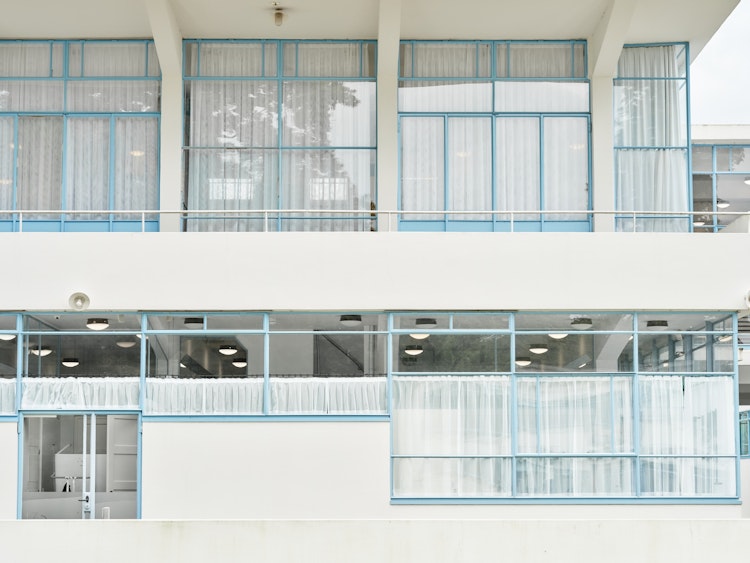
In his photographic practice, Espen Gleditsch examines how architecture and art history are communicated through images. His works often take historical buildings and architectural projects as their point of departure, drawing attention to how photography has helped shape our understanding of modernism. Since 2015, he has developed several series that explore modernist architecture and how it has later been interpreted.
Selected exhibitions of Gleditsch's modernism series include:
Sanatorium Stenersen (2025), Nasjonalmuseet, Villa Stenersen, Oslo
Polymorphous Magical Substance (2017), Bergen Kunsthall
A Place by the Sea (2016) Noplace, Oslo and Frama, Copenhagen
Polymorphous Magical Substance (2016), Kunstnerforbundet, Oslo
White Lies (2015), Fotogalleriet Malmø.
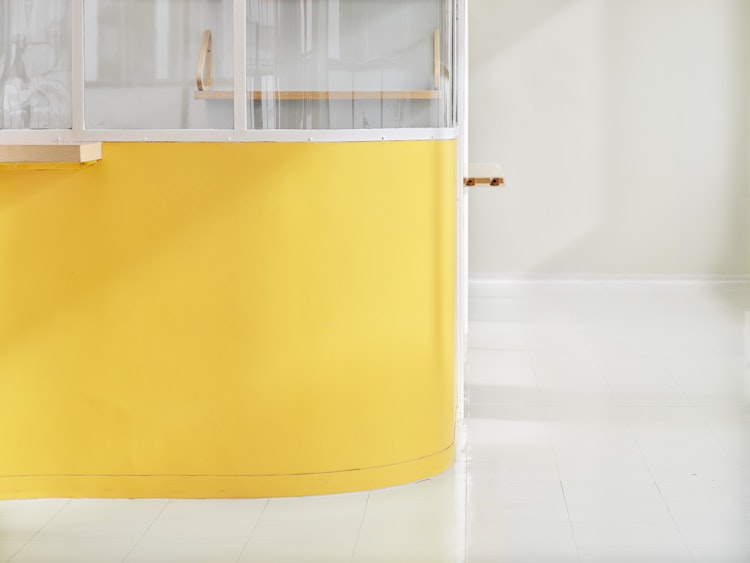
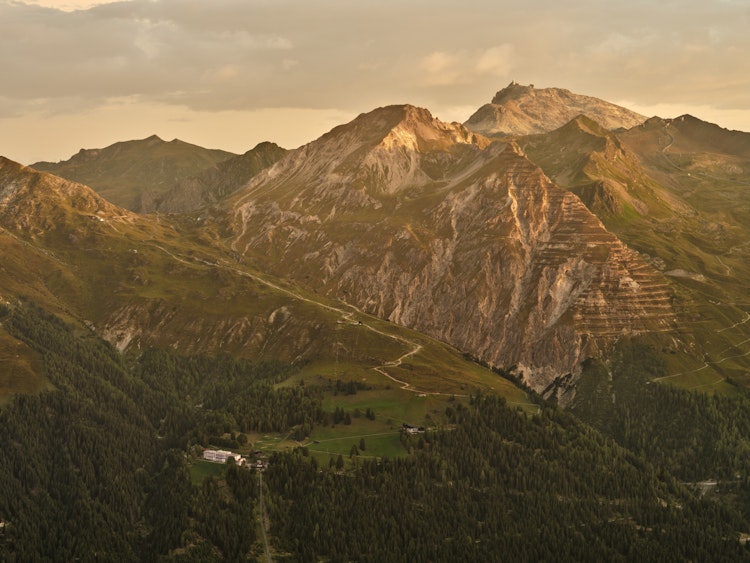
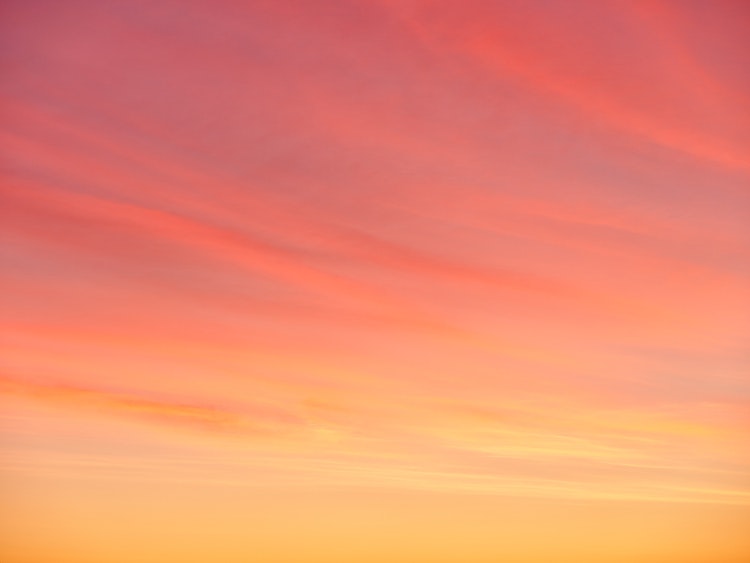
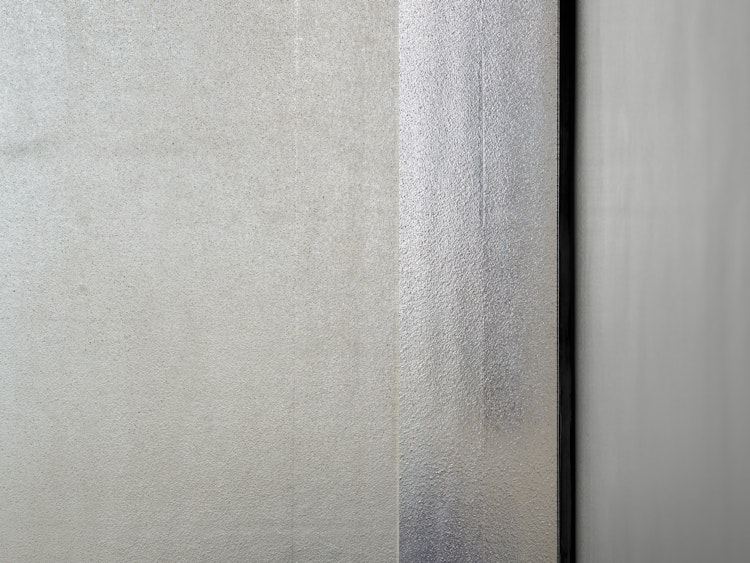

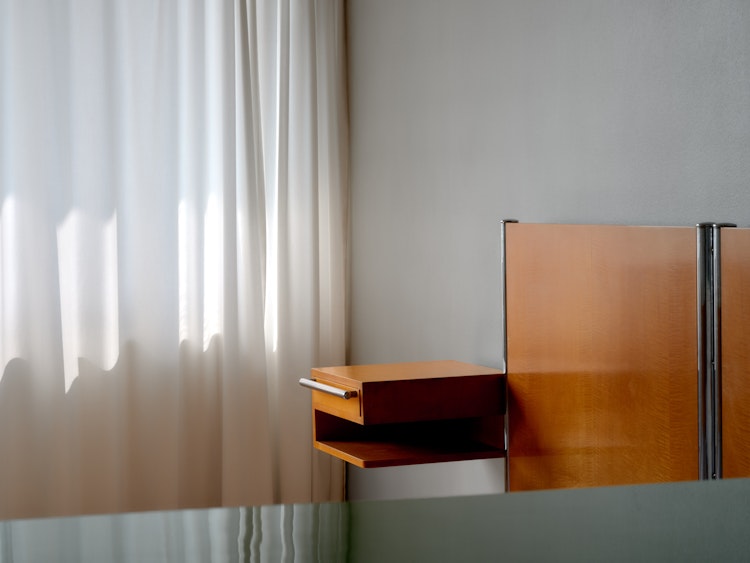
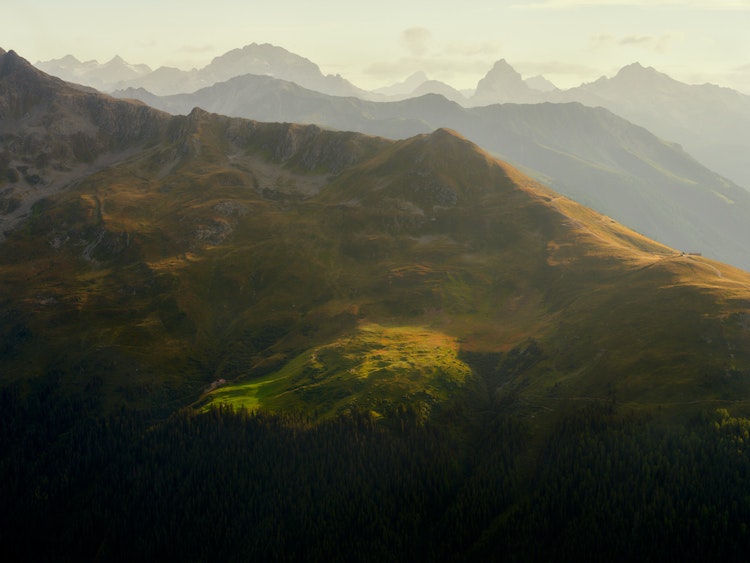
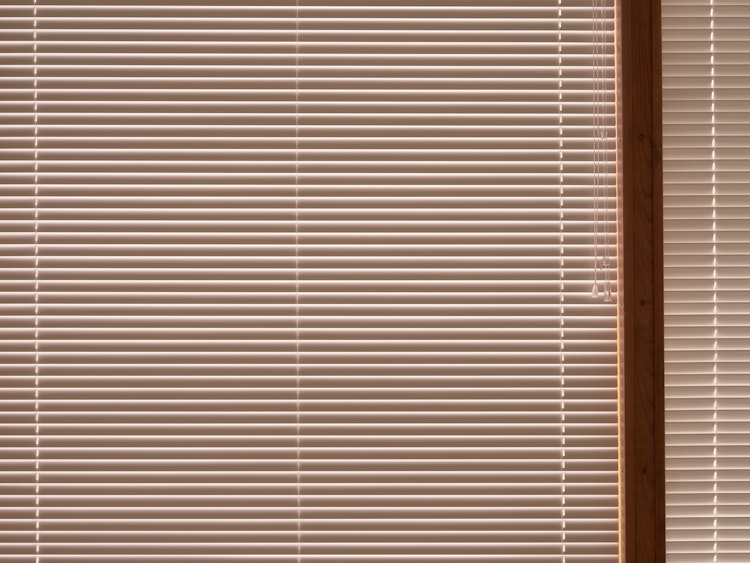

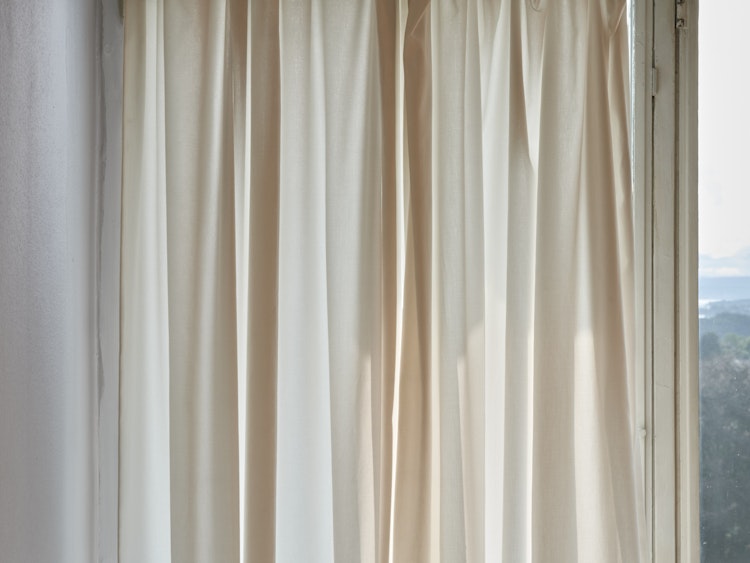

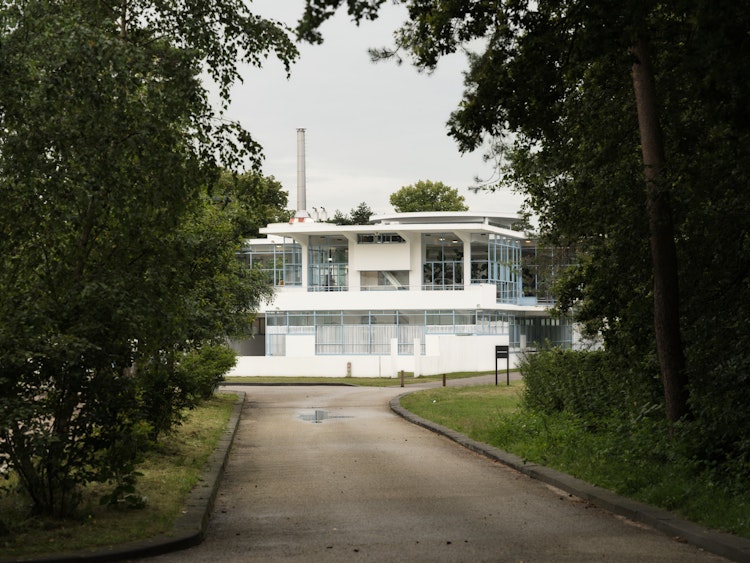

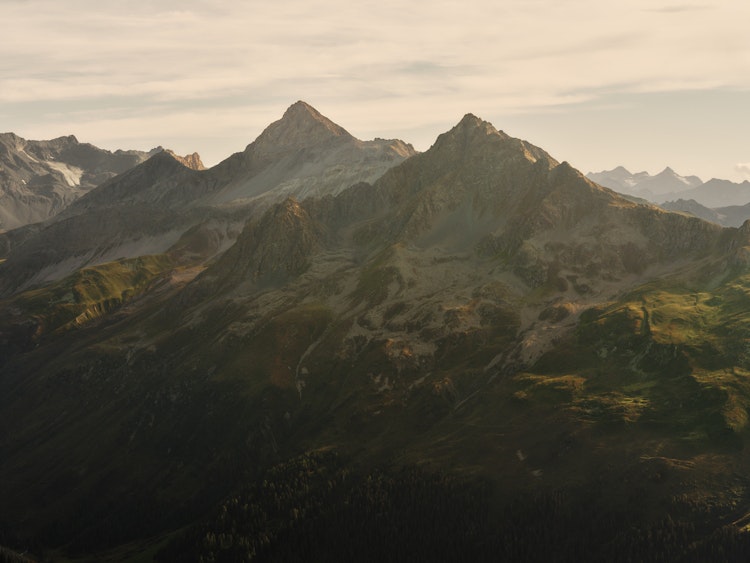

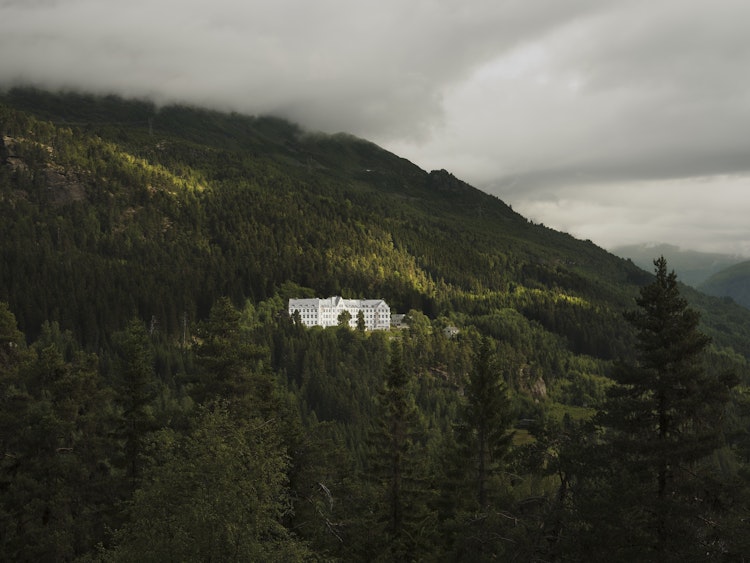
In the exhibition Sanatorium Stenersen at the National Museum, Villa Stenersen, Espen Gleditsch explored the relationship between architecture, landscape, and surroundings. Villa Stenersen was designed by architect Arne Korsmo in the 1930s, during a period when modernist architecture was closely connected to ideas about health, light, air, and the human body. Architecture of this time was influenced by medical and hygienic ideals, and many of the principles of modernism developed in dialogue with treatment institutions such as tuberculosis sanatoriums. These buildings were designed to provide patients with access to sunlight, fresh air, and nature, and the architecture included terraces and balconies where patients could spend large parts of the day outdoors.
Through photographs of historical sanatoriums and health architecture, Gleditsch examines how such ideas influenced the development of modernist architecture. The project highlights how the history of architecture is also connected to medical and social ideas about health and quality of life, and how these ideas have shaped the formal language of modernism.
Works from the exhibition have been acquired by the National Museum, the Oslo Municipal Art Collection, and the Equinor Art Programme.
The work Weissenhofsiedlung is part of a series of five photographs based on the famous architectural exhibition Die Wohnung in Stuttgart in 1927. The exhibition brought together some of the key figures of modernist architecture, including Le Corbusier, Mies van der Rohe and Walter Gropius, and presented new ideas about housing, materials and ways of organizing modern life. Today, the project is considered one of the most important manifestations of modernist architecture, and the buildings constructed for the exhibition remain important references in architectural history.
The series particularly explores the relationship between modernist architecture and colour. Due to the widespread use of black and white photography throughout much of the twentieth century, many modernist buildings came to be perceived as white, even though several of them were originally painted in strong or nuanced colours. This historical misunderstanding helped establish the idea of modernism as the “white functionalist box,” a perception that still shapes how the period is often understood today. Gleditsch’s photographs point to how photography itself may have contributed to forming this view.


The series A Place by the Sea (2016) explores the history behind the iconic E-1027 villa, built by furniture designer and architect Eileen Gray in the village of Roquebrune-Cap-Martin. Completed in 1929, the house took three years to construct and Gray worked closely with local builders to coordinate the building process. As an architect, the 51-year-old Gray was self-taught and this villa – a summer house for herself and her lover, the architect and editor Jean Badovici – was her debut. The streamlined, flat-roofed house was constructed in line with the functionalist design principles of the 1920s and the furniture, with its discreet luxury, was specifically designed by Gray.
Five years after the completion of the house the couple’s relationship foundered and Gray left both Badovici and the villa she had built for a shared future that was not to be. Badovici stayed on in the house and in 1938 invited Le Corbusier to stay there for a month. The influential architect sent Gray a letter, praising her design: ‘I am so happy to tell you how much those few days spent in your house have made me appreciate the rare spirit which dictates all the organisation, inside and outside, and gives to the modern furniture – the equipment – such dignified form, so charming, so full of spirit.’
During this stay he also painted two expressive murals on the house’s naked walls, in sharp contrast to Gray’s refined design. According to Le Corbusier one of his motifs, which he called Graffiti at Cap Martin, depicted Badovici and Gray as naked, intertwined figures with a third figure between them, purportedly symbolising ‘the desired child, which was never born’. Later interpreters have regarded the motif as a comment on Gray’s bisexuality. In the following summer he was again a guest at the villa, painting five more Cubist-inspired murals. Gray was furious about this violation of her house, and considered it ‘an act of vandalism’. She would never set foot in the villa again. Architecture critic Rowan Moore described it as ‘an act of naked phallocracy’, and was of the opinion that the great architect, ‘seemingly affronted that a woman could create such a fine work of modernism, asserted his dominion, like a urinating dog, over the territory.’
After the war, Le Corbusier returned to the villa to restore murals that had been damaged. During this visit he got to know retired plumber Thomas Rebutato, who had acquired an adjoining property and opened a seafood restaurant there – with a view down to E-1027. The two men got on well and arranged that Le Corbusier could build a small cabin – later known as Le Cabanon – on the property, in exchange for him designing for Rebutato five small holiday cottages.
After Badovici’s death in 1956, the villa was bought by Marie-Louise Schelbert, an affluent friend of Le Corbusier. This secured him access to the murals, and in 1962 he worked for one last time on them, during one of his annual summer stays in his Cabanon. The cabin, which Gray referred to as a ‘watchdog house’, shares a wall with the seafood restaurant and is clad in rustic planks which give it the appearance of a provisional shed erected from roughly cut timber. Here Le Corbusier spent his final summers until his death in 1965, most likely from a heart-attack, as he swam in the waves below E-1027. The bright white villa on the cliff terrace may well have been the last thing he saw before succumbing to the waves.
Following Schelbert’s death in 1982, the property passed to her doctor and it was in this period that its condition began to seriously deteriorate. Dr. Kaegi sold the unique furniture in the villa, presumably to finance gambling debts and a morphine habit. A few years later he was found stabbed to death in the house, the outcome – according to the police report – of a sex transaction with two boys who worked in his garden that had gone horribly wrong. Squatters occupied the house, ruining its interiors, breaking windows and scribbling on the walls. This deterioration of the villa escalated until it finally became public property around the turn of the millennium.
Since then a protracted and difficult restoration process has been completed. Ironically, it was Le Corbusier’s murals that set the wheels of restoration in motion. The work has been marked by controversy, not least whether or not the murals should be regarded as important works of cultural heritage or a violation of the integrity of Gray’s architecture. At that point the paintings were in very poor condition.
Over time Eileen Gray’s name had become far less widely known, which led to the supposition that it was Le Corbusier who had designed this functionalist masterpiece at Roquebrune-Cap-Martin. Gray, who has been described as a modest, private person, never made a fuss about this mistaken impression. And neither did Le Corbusier. When he included photographs of the murals in his own books, he at first neglected to mention Eileen Gray, then later included her name misspelt as Helen Grey. Today the beautiful coastal path that leads to E-1027 is called Promenade Le Corbusier. Four of the murals have been carefully restored and are now a permanent part of the iconic villa.
Read the original text about A Place by the Sea written by Espen Gleditsch here.
Espen Gleditsch (b. 1983, Holmestrand, NO) holds an MFA from the Academy of Fine Art in Oslo.
Gleditsch works mainly with photography. His projects often take historical events, artworks or architecture as points of departure, where shifts of meaning and misinterpretations have played a decisive role in their dissemination and reception. In recent exhibitions antique sculpture, architecture and colour have been recurring motifs. In his works, Gleditsch explores the mechanisms behind historiography, the construction of historical narratives, unintended shifts of meaning and diffuse borders between subjective experience and objective facts.
Gleditsch is acquired by Nasjonalmuseet, Henie Onstad Kunstsenter, Equinor Art Programme, Oslo Municipality Art collection, KORO (Art in Public Norway), The University of Oslo, Preus Museum, The Møller Art Collection, Storebrand Art Collection, The Ministry of Foreign Affairs, Norges Bank, MoMA library, artist book collection and Haugar Kunstmuseum.


What are you looking for?
