The Marble Series by Espen Gleditsch

The last decade, Espen Gleditsch's artistic practice has dealt with how historical meaning is constructed and perceived. Since 2017, he has explored marble as method of exploring the complex relationship between truth, coincidence and interpretation.
Selected exhibitions from Gleditsch's marble series:
mmmMarbles (2025), Jugendstilsenteret og KUBE
Marmorvariansjoner (2024), Bogstad Gård
Enter Art Fair (2024), QB Gallery
On the Whispering Wind (2023), QB Gallery
mmmMarbles (2022), Kunstnerforbundet
Faded Remains (2022), Oslo Negativ med QB Gallery
New Visions (2020), på Henie Onstad Kunstsenter
Milkshake (2018) på Golsa


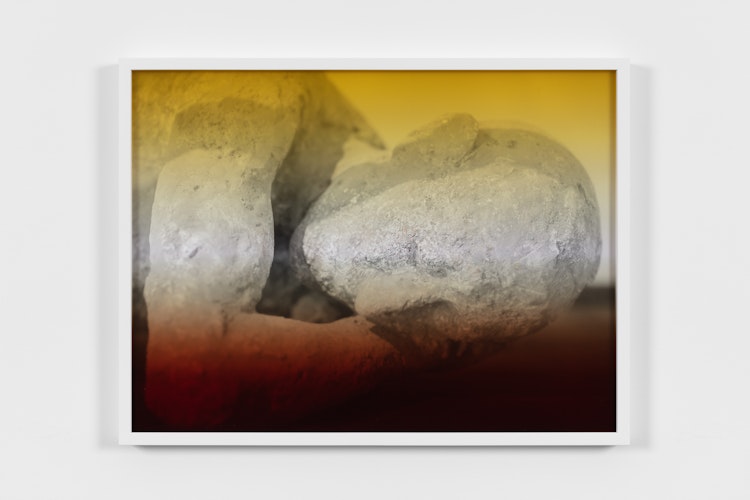
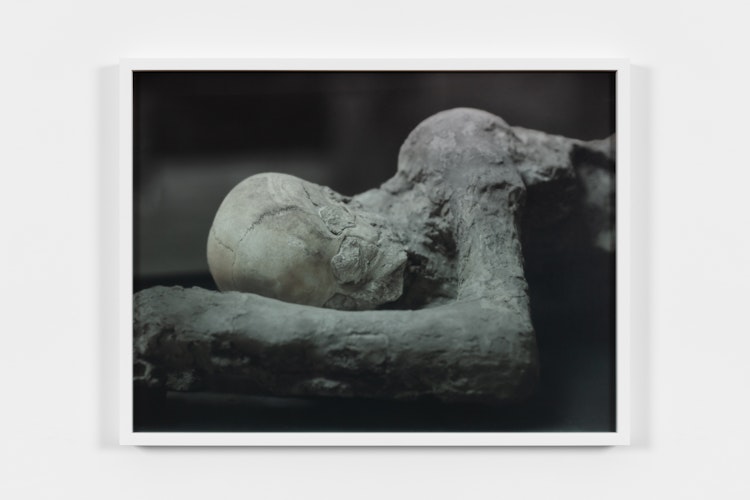
The works from the series On the Whispering Wind are from the Roman city of Pompeii, buried by volcanic ash in 79 AD. About 2,000 of its inhabitants became victims of the eruption from Vesuvius. During excavations in the 18th century, archaeologists discovered mysterious cavities below the layers of ash and soil. During a decade of excavations, these pockets remained an enigma, until attempts were made to fill the cavities with plaster. As the plaster hardened and the surrounding ash was removed, full-scale negative casts emerged of bodies frozen in time, facing their inevitable tragedy. The matte, coarse plaster casts give shape to the bodies encased by the ash nearly two millennia ago.
The enigmatic plaster casts defy categorization. They have been made during the last 150 years, but from moulds shaped 2.000 years ago. Are they antique or modern, made by man or of nature? Does it make sense to describe them as sculptures, or are they something else altogether? Among other things, Gleditsch's photographs deal with ephemerality, and the moral implications of photographing a 2,000-year-old direct impression of lived life, as opposed to making an image of a marble sculpture.
Works from the series are in the Møller Collection and the Storebrand Art Collection.
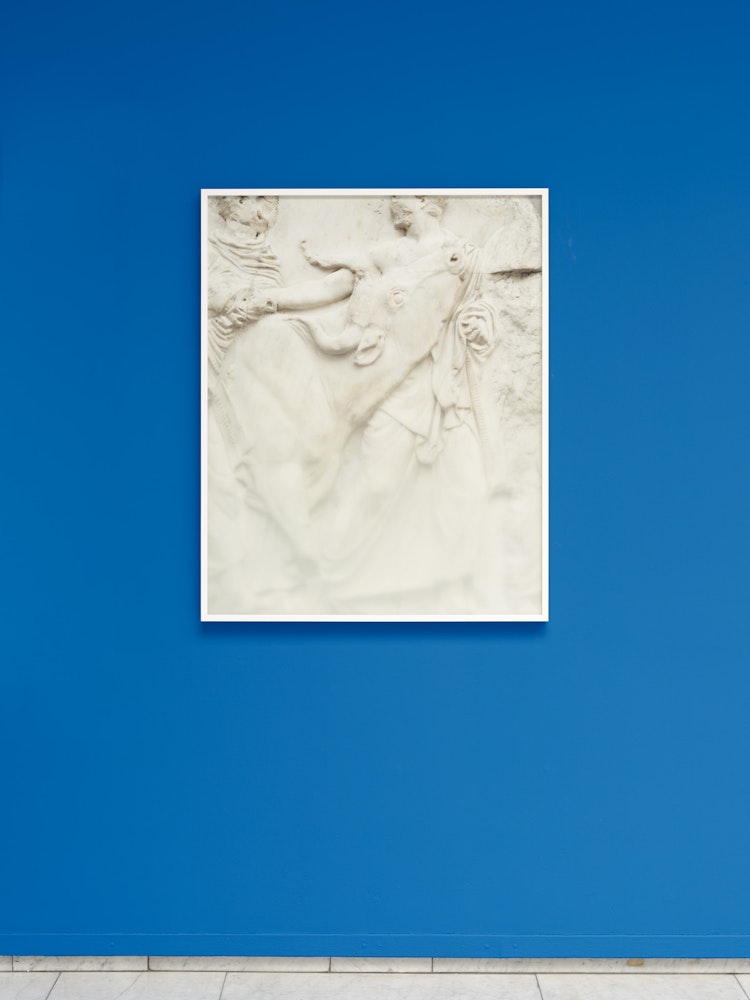
In the project mmmMarbles, Espen Gleditsch photographed a specific group of works from the British Museum with a very specific provenance. His interest in how narratives about historical and contemporary events are established, conveyed, and legitimised, as well as his interest in classical sculpture, modernist architecture, museum spaces, and, not least, in colours and surfaces, come together in the series of works and the exhibition. The focal point is the Parthenon-frieze, photographed by Gleditsch at the British Museum. He continues his artistic exploration of a recurring misconception, dating back to the sixteenth century and the Renaissance, being that ancient sculpture and architecture were originally executed in pure, white, unpainted marble. Some of the works in the series have been given UV-printed glass in the colours white and blue, pointing to the idea and ideal of the white marble, but also to an original blue that has been found in a cavity on the marble frieze.
Works from the series are in the collection of the University of Oslo.


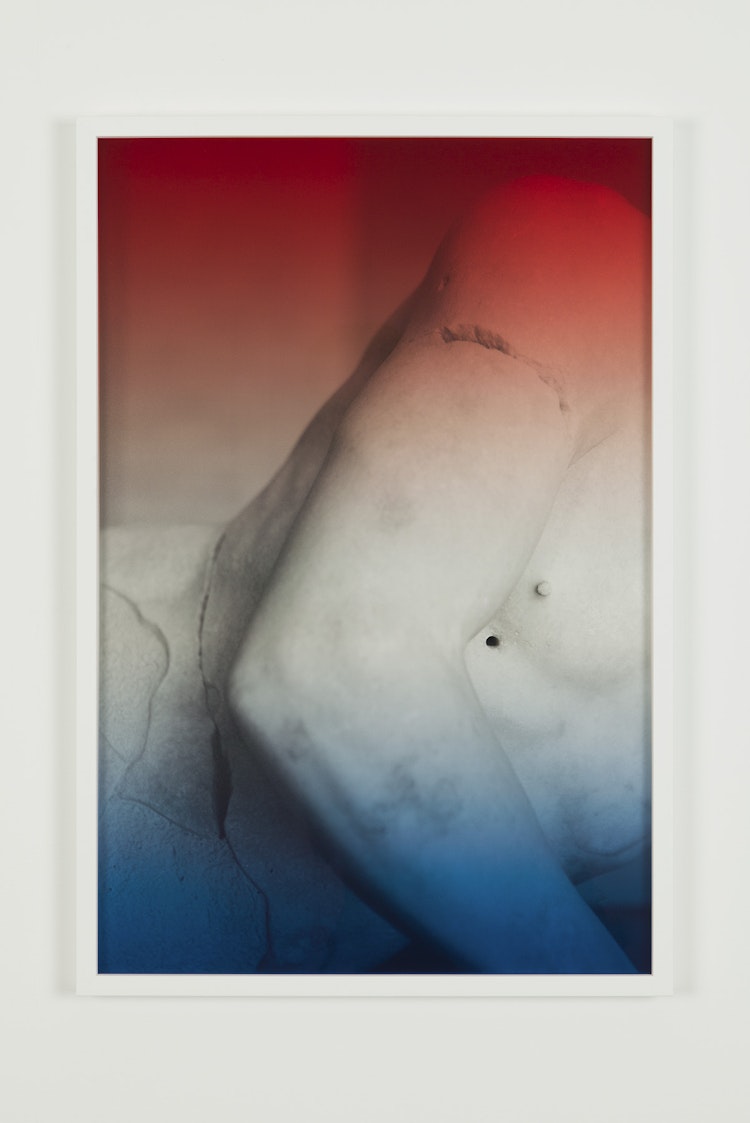


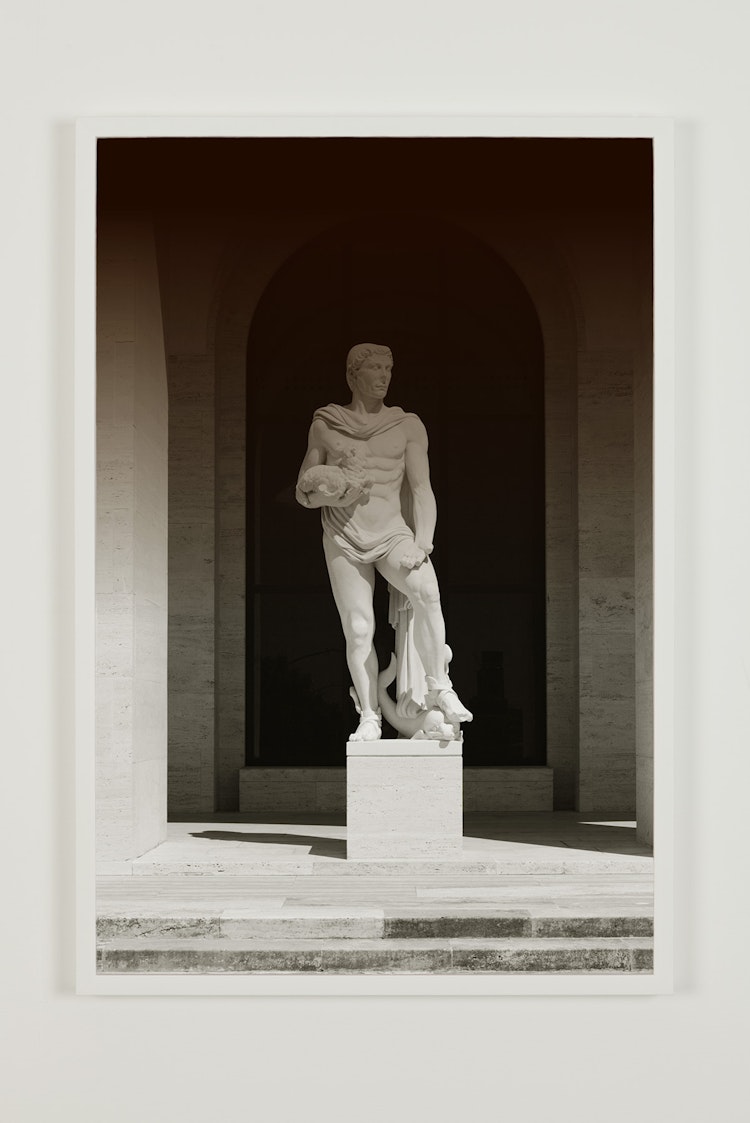
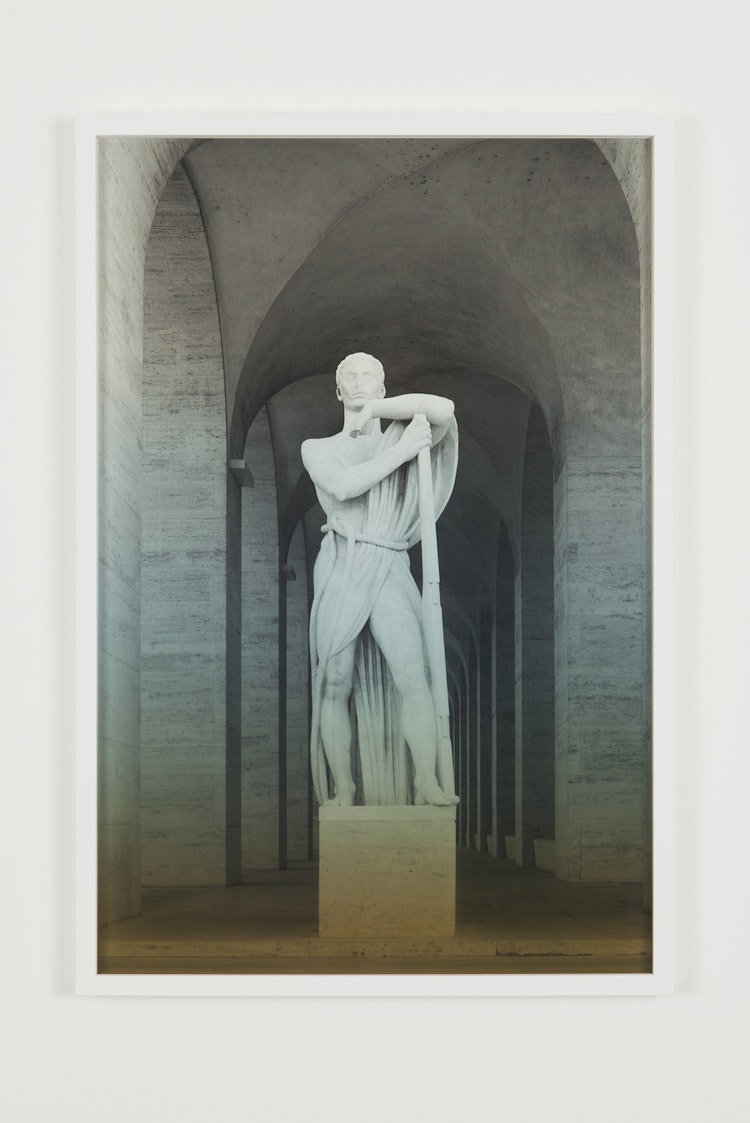

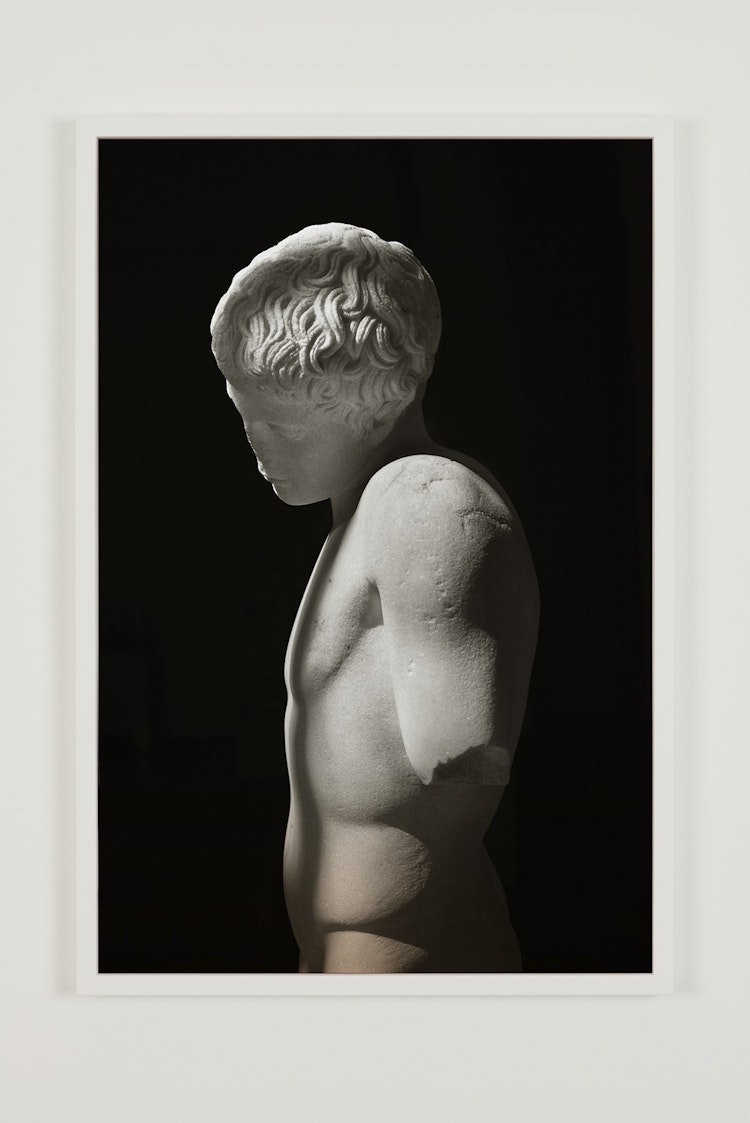
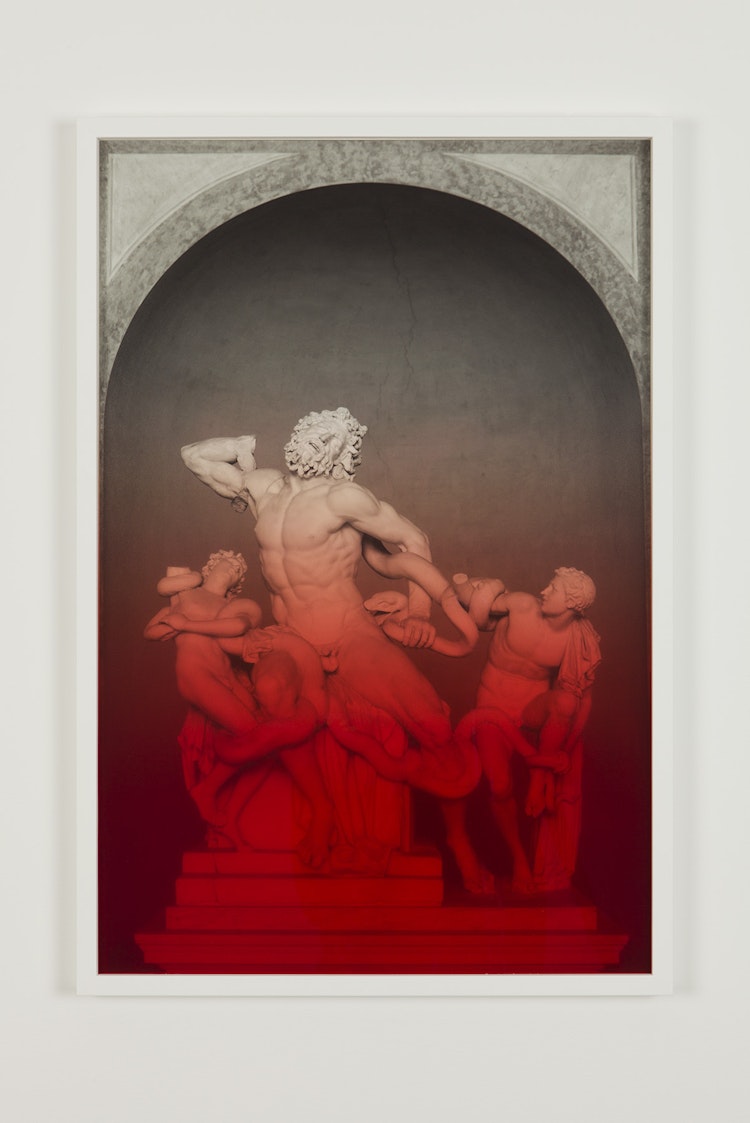
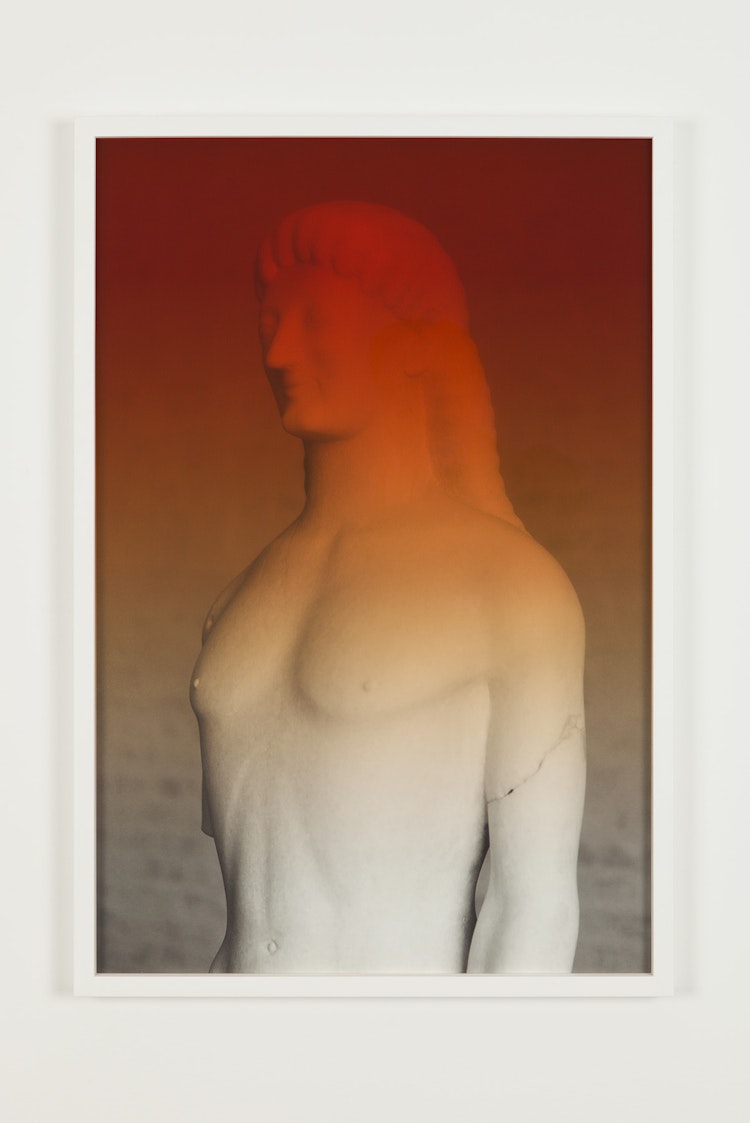

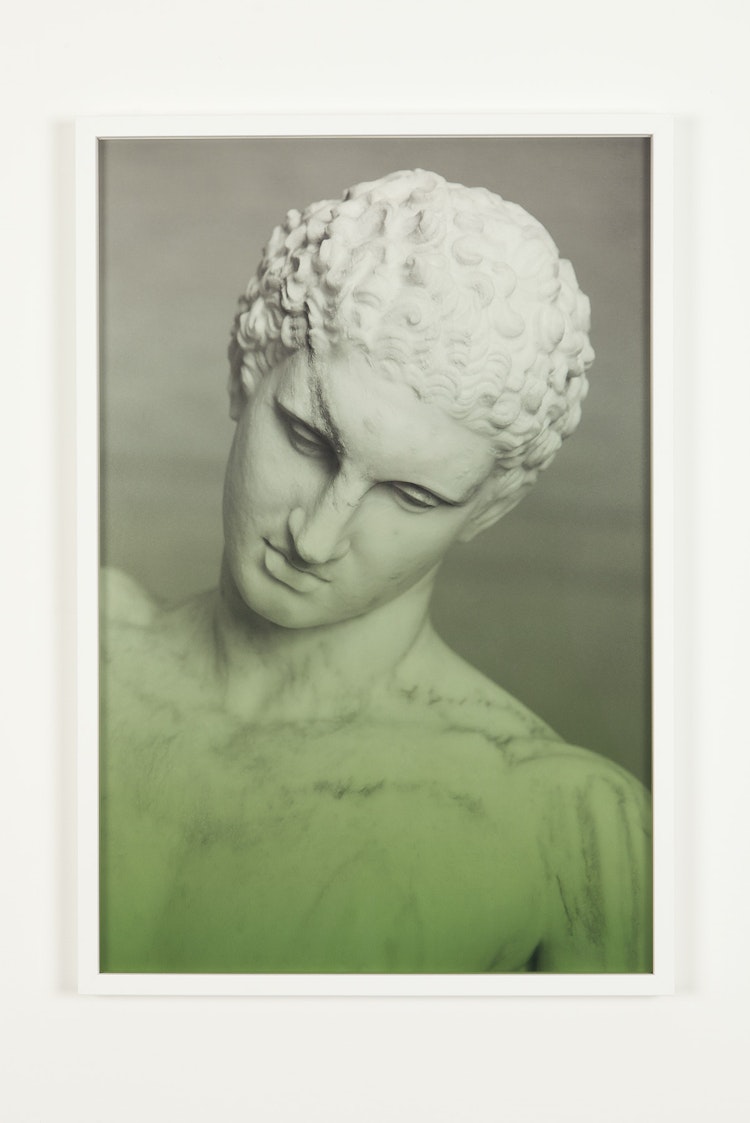
The project Faded Remains relates to the intricate relationship between ancient Greek marble sculpture and colour. Despite the sculptures polychrome origin, the white marble surface is intrinsically linked to the reception of sculptures from the period.
The photographs are of canonized, ancient Greek and Roman sculptures from The Glyptothek in Munich and the Vatican Museum in Rome. They are juxtaposed wit marble sculptures commissioned by Mussolini in the 1940s. In an attempt to link artistic ties between the fascist party and the grandeur of the Roman Empire, they invoke one of its most emblematic symbols: white marble sculptures. Even though it was since long known that antique sculpture initially was polychrome.
In the photographic work, the lost colours are re-instated. The framed glass is tinted with colours from conservational research on antique sculpture, like a veil through which the black-and-white photographs are presented.
Works from the series are in the collection of the Henie Onstad Art Centre and KORO.
Espen Gleditsch (b. 1983, Holmestrand, NO) holds an MFA from the Academy of Fine Art in Oslo.
Gleditsch works mainly with photography. His projects often take historical events, artworks or architecture as points of departure, where shifts of meaning and misinterpretations have played a decisive role in their dissemination and reception. In recent exhibitions antique sculpture, architecture and colour have been recurring motifs. In his works, Gleditsch explores the mechanisms behind historiography, the construction of historical narratives, unintended shifts of meaning and diffuse borders between subjective experience and objective facts.
Gleditsch is acquired by Nasjonalmuseet, Henie Onstad Kunstsenter, Equinor Art Programme, Oslo Municipality Art collection, KORO (Art in Public Norway), The University of Oslo, Preus Museum, The Møller Art Collection, Storebrand Art Collection, The Ministry of Foreign Affairs, Norges Bank, MoMA library, artist book collection and Haugar Kunstmuseum.


What are you looking for?